Food Allergies at School: 5 Tips to Keep Your Kids Safe AND Included
Starting a new school year with a child who has food allergies can feel overwhelming. But with the right preparation, you can keep them safe, confident and included. In the U.S., about 1 in 13 children has a food allergy. That’s roughly two kids in every classroom. These 5 essential back-to-school food allergy safety tips can help prevent reactions, ensure school staff are prepared, and give you peace of mind all year long.
Tip 1: Always Have Two Epinephrine Auto-Injectors at School
If your child’s allergy requires epinephrine, keep two injectors at school — one may not be enough during a severe reaction. Also keep two at home. Make sure your child (if old enough) and school staff know how and when to use them, and exactly where they’re stored.
Tip 2: Create a Personalized Allergy & Anaphylaxis Plan
Work with your pediatrician to document your child’s allergens, symptoms, and emergency actions. Share the plan with all school staff — including teachers, nurses, coaches, and bus drivers — so everyone knows what to do in an emergency.
Tip 3: Meet with the School Early
Discuss allergy protocols, field trip safety, and classroom celebrations before the year begins. Learn whether your school is nut-free or focuses on allergy awareness. Consider a 504 plan for accommodations like allergen-free meals, safe eating spaces, and trained staff.
Tip 4: Keep Your Child Included
Prevent food sharing, encourage regular handwashing, and teach your child to voice their needs. Send safe treats for parties, and work with teachers to provide an approved snack list or create allergen-free classroom zones.
Tip 5: Empower Your Child to Self-Advocate
Teach them to check ingredients, avoid shared utensils, and recognize safe foods. Role-play responses like, “No thank you, I have an allergy” to build confidence and independence.

About Our Expert: Mary Clare Zak is a certified pediatric nurse practitioner with over a decade of experience supporting children and families. Her background spans NICU care, general pediatrics, and developmental and behavioral health at institutions including Children’s Hospital of Pittsburgh and Nationwide Children’s. A graduate of Case Western Reserve University and The Ohio State University, she is known for her thoughtful communication, collaborative approach, and evidence-based care. Mary is a trusted guide for parents navigating everything from everyday concerns to complex developmental challenges.

About Poppins: On-demand, certified parenting coaching and pediatric care for parents — from newborn to teen. They offer a coach, a medical team, and instant care when you need it with 24/7 medical support for times when the pediatrician’s office is too far, too busy, or closed. Their medical team has professional backgrounds in social work, early childhood education, or therapy – and can provide guidance for over-the-counter solutions and prescribe medication when medically appropriate. Find out more: heypoppins.com
More from MomLifeTV
If your daughter has "teen spirit", learn about new safety recommendations for competitive cheerleading.
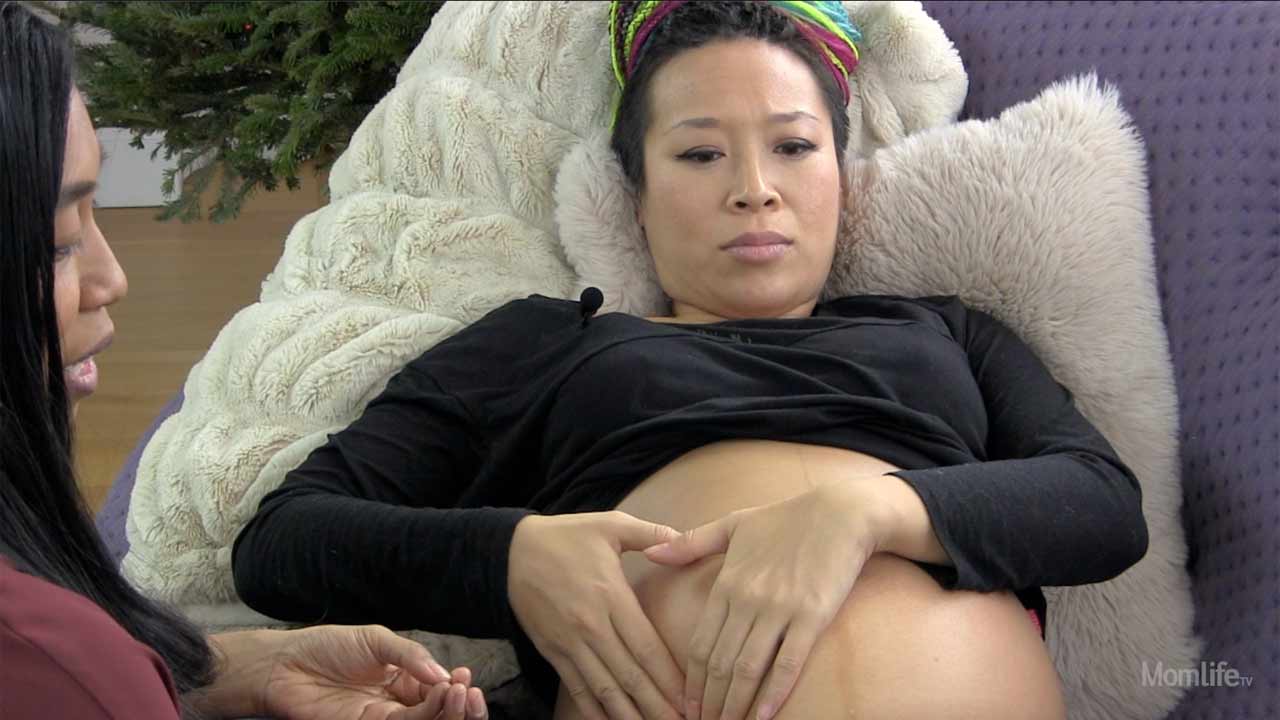
Through belly mapping, you can get a great sense of your baby’s position and get acquainted with what’s happening...