“I Hungry” Interview – Health Eating Made Fun For Your Family
Ruth Katz, the author of I Hungry, discusses her book, what motivated her to write it and her story. Ruth shares valuable lessons she learned from her experiences growing up. Her tips on how to eat healthy can create the right foundation for your family and get your kids to have fun with food. In this interview, Ruth explains how to help kids develop healthy eating habits, avoid mealtime struggles, and build a lifelong positive relationship with food.
Avoid Control Battles at Mealtime
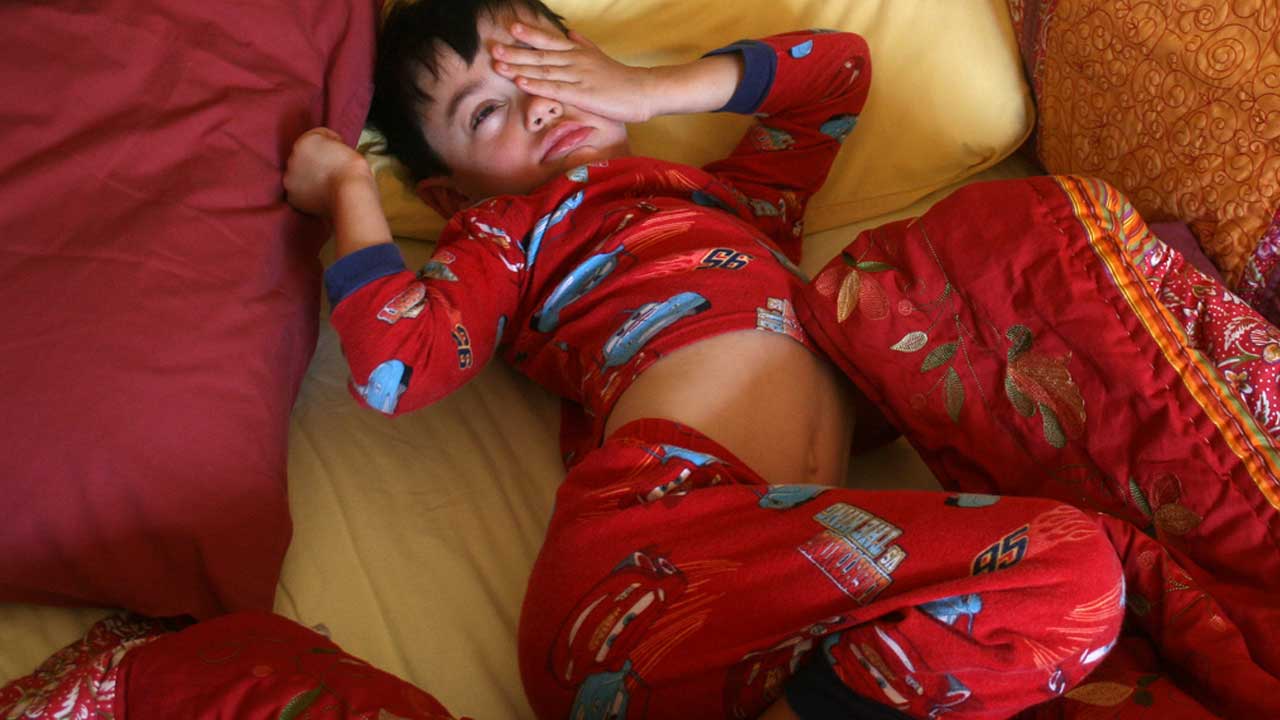
Ruth explains that children are constantly being directed from the moment they wake up to when they go to sleep, and food can become one of the few areas where they assert independence. She emphasizes that you can’t force food or sleep — and trying to do so creates struggle. Instead, children should feel involved and empowered. Letting them participate in the process and decision-making helps prevent power struggles and builds cooperation around meals.
Exposure to Different Foods Builds the Right Foundation
According to Ruth, healthy eating starts early — even in infancy. She stresses the importance of exposing children to a wide variety of foods and flavors, including foods from different cultures. Early exposure helps normalize new tastes, reduce resistance, and expand preferences over time. Creating this foundation early makes mealtime smoother as children grow.
Start With Vegetables
One of Ruth’s core strategies is introducing vegetables first rather than fruit. She explains that early exposure shapes taste preferences. When children experience a range of savory and nutrient-dense foods first, they are less likely to gravitate immediately toward sugar and sweetness.
The “No Thank You Bite” Approach
Ruth encourages trying new foods without pressure using what she calls the “No Thank You Bite.” Children are invited to taste a food, and if they don’t like it, they can politely decline. The goal is exposure, not control. She also notes that trying a new food once is rarely enough — it can take many exposures for acceptance.
Dining Out and Rethinking “Kid Meals”
Ruth challenges the idea that children need separate “kid foods.” She explains that food is food — the only real difference should be portion size. Limiting children to a small list of typical kid-menu options reduces exposure and reinforces narrow eating habits. Instead, she encourages offering a variety of real foods wherever you are, including restaurants.
Full Meals Before Events and Social Situations
To manage high-sugar environments like parties, Ruth shares a practical strategy: feed children a full meal beforehand. When children are already satisfied, they are less likely to overindulge. She describes this as “crowding out” less nutritious choices by filling up on nutrient-dense foods first.
Bring Kids Grocery Shopping
Ruth emphasizes participation. She describes taking her children grocery shopping and allowing them to select foods themselves. Involvement builds familiarity, curiosity, and ownership. Children who help choose food are more likely to eat and enjoy it.
Eat Nutrient-Dense Foods That Truly Satisfy
Ruth explains that real, nutrient-dense foods help the body feel satisfied longer. Foods that lack nutrients may leave children hungry again quickly. Teaching children to eat foods that nourish and sustain them builds long-term healthy habits and energy balance.
Kids Eat With Their Senses
Children experience food through sight, smell, and texture as much as taste. Ruth explains that young taste buds are especially sensitive, and children often need time to explore a food visually and physically before tasting it. Creating visually appealing meals and allowing sensory exploration makes trying new foods easier.
Make Meals Fun and Engaging
Ruth encourages playful presentation and creativity. Colorful foods, fun shapes, and visually interesting meals make healthy eating more appealing. When food feels fun rather than forced, children build a positive relationship with eating.
Learn Your Bio-Individuality
Ruth shares that her own health journey taught her the importance of understanding how individual bodies respond to foods. Identifying sensitivities, understanding nutritional needs, and paying attention to how foods make you feel can guide healthier choices for both parents and children.
Eat Until You’re 80% Full
Ruth highlights the Japanese concept of Hara Hachi Bu — eating until about 80% full. This practice supports awareness of hunger and fullness signals and encourages balance rather than overeating.
Family Meals Together Create Connection
Beyond nutrition, Ruth emphasizes the importance of shared mealtime. She encourages families to eat together without distractions, participate in conversation, and share responsibility for cleanup. Eating the same foods together builds connection, structure, and consistency.
About Ruth J. Katz: Ruth is a professional trained health coach through The Institute for Integrative Nutrition (IIN) certified from Purchase College, SUNY. Ruth’s practical strategies and lived experience help families build healthy eating habits, reduce stress around food, and create positive, connected mealtime experiences. Find her book I Hungry on Amazon and everywhere books are sold.
More from MomLifeTV
"How do I price my services?" and "What am I worth?" There are 3 common mistakes in pricing that...